
NEWS
White House Defends Donald Trump for Calling Female Reporter ‘Ugly,’ Insisting Americans Like His ‘Transparency’

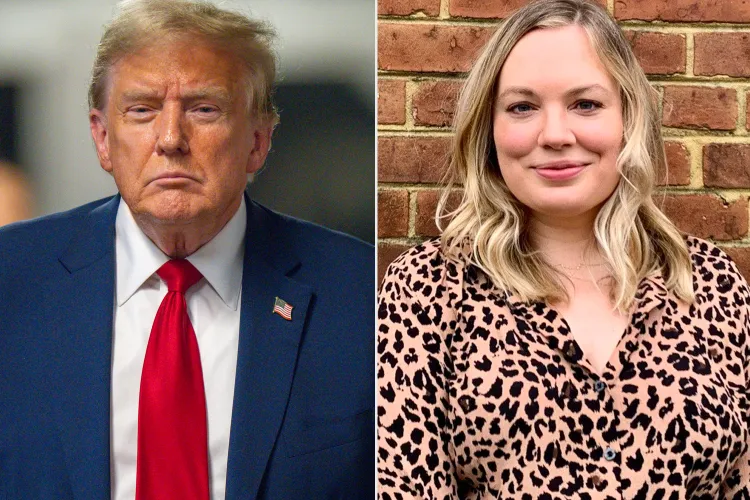
The White House is under mounting scrutiny after publicly defending former President Donald Trump’s decision to call a female reporter “ugly” during a contentious press briefing. The moment, which quickly went viral, sparked outrage from journalists, lawmakers, and women’s advocacy organizations who labeled the remark as disrespectful and unprofessional.
In a follow-up statement, White House officials attempted to justify the insult, claiming that Trump’s comments reflect a level of “transparency and honesty” Americans have come to appreciate. According to a senior aide, “The President speaks his mind. People may not always like his tone, but they know it’s real. That authenticity is why many continue to support him.”
Critics, however, have strongly rejected this defense. Press freedom groups argued that personal insults—especially those directed at women in professional settings—undermine the integrity of the media and create a hostile environment for journalists simply doing their jobs. Women’s rights advocates further condemned the remark as an example of gender-based belittling that reinforces harmful stereotypes.
Members of Congress weighed in as well, with several calling Trump’s behavior “unacceptable” and “beneath the dignity of the office.” Some analysts suggested that the administration’s attempt to justify the insult may backfire, potentially alienating voters who expect higher standards of conduct from national leaders.
Supporters of the former president countered that the criticism is exaggerated, framing the controversy as another example of political correctness gone too far. They argue that Trump’s confrontational style has long been a hallmark of his public persona and remains a key factor in his appeal to certain voter blocs.
The incident has reignited broader debates about how political leaders engage with the press, particularly women in the media. Many observers warn that normalizing personal attacks could have lasting consequences—discouraging young journalists, eroding trust in institutions, and lowering standards of public discourse.
For now, the administration shows no sign of walking back its defense, maintaining that Trump’s bluntness is part of what sets him apart. Whether this controversy will shift public opinion remains to be seen, but it has unquestionably added fuel to ongoing discussions about decorum, leadership, and respect in American politics.
Czegoś takiego nikt się nie spodziewał, w kraju wielkie poruszenie 😱
