
NFL
WAS WITHDRAWING FROM THE PARIS CLIMATE AGREEMENT A MISTAKE?

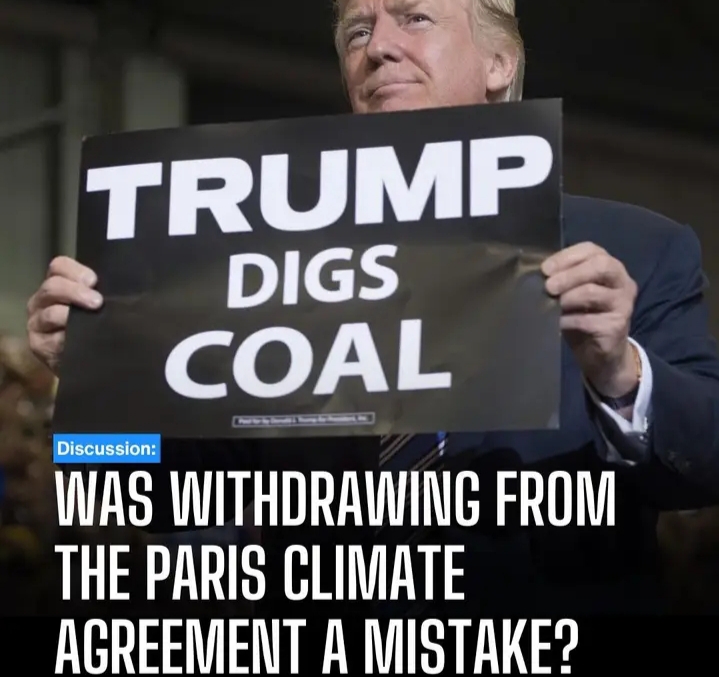
Donald Trump’s withdrawal from the Paris Climate Agreement is best discussed in terms of both timing and consequences. In his first term, he announced the intent to leave and the United States formally exited late in 2020, before rejoining under President Biden in 2021. After returning to office, Trump directed a second withdrawal in early 2025, and the United States’ exit took effect this week in late January 2026. That sequence, in which the country has entered, left, re-entered, and left again within a decade, shapes how allies, markets, and domestic stakeholders interpret US climate commitments.
Those who view the move as a mistake usually emphasize credibility and coordination. Paris is not just about targets, it is a framework for countries to align policies, financing, and expectations, so leaving can reduce US influence over global rules that affect trade, investment, and technology standards. Critics also argue that disengagement complicates cooperation on energy security, supply chains, and climate risk, and can create uncertainty for US firms operating in markets where emissions reporting and carbon-related requirements are tightening. From this perspective, the costs are partly diplomatic and strategic, not only environmental.
Supporters of withdrawal frame it as reclaiming policy flexibility and avoiding constraints they see as unfair or economically burdensome. They argue that national emissions policy should be set domestically, that energy affordability and industrial competitiveness should come first, and that international agreements can be used to pressure the US while major emitters pursue their own interests. The debate often turns on whether leaving changes real-world emissions outcomes, given that states, cities, and companies may continue Paris-aligned actions anyway, and whether repeated reversals create more disruption than either staying or leaving consistently.
