
NFL
IS TRUMP UNFAIRLY TREATED BY THE MEDIA ?

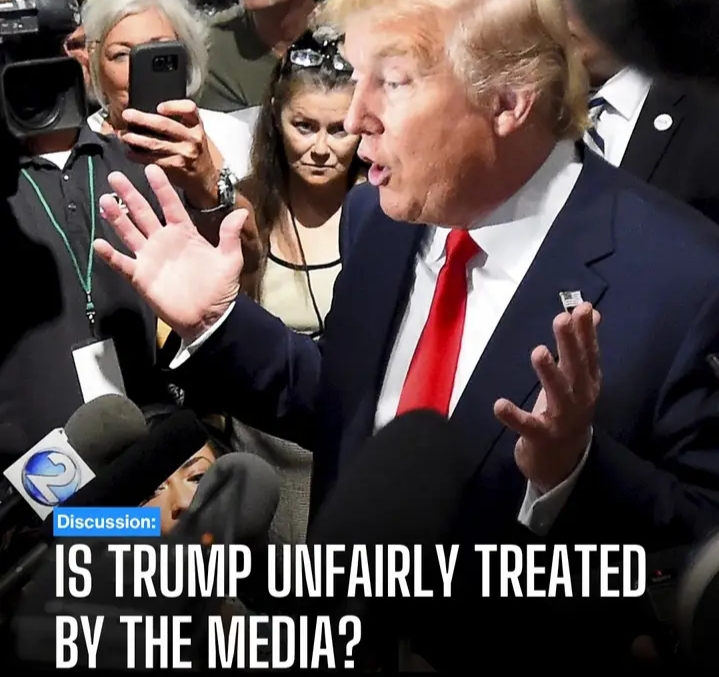
Debates over whether Donald Trump is unfairly treated by the media reflect broader tensions about media bias, partisan narratives, and public trust. Trump and many of his supporters argue that mainstream outlets are overwhelmingly negative toward him, especially during his first term and into his second, with critics saying stories frequently emphasize controversies, legal challenges, or unfavorable polls. The White House has even launched a “media bias portal” and tipline to catalogue outlets and journalists it views as unfair, framing this as a pushback against what it calls “fake news.” At the same time, independent analyses suggest that media coverage varies widely across outlets, with some clearly more critical and others offering more supportive or mixed reporting. Studies of headline content show that different networks and publications often frame Trump’s actions through very different lenses, reflecting ideological tendencies in news production.
Critics of Trump’s claims about unfair treatment point out that journalistic standards generally aim to hold power to account and that scrutiny of political leaders is a normal feature of a free press. Many news organizations have reported on his policy decisions, legal issues, and statements with critical language because those subjects themselves carry controversy or public interest. Journalists and press freedom advocates argue that lawsuits against media outlets and aggressive rhetoric from the White House risk undermining independent reporting and could chill free expression, even as Trump labels outlets as biased. At the same time, social scientists note that perceptions of media bias are often shaped by one’s own political views, with partisans on all sides convinced that outlets are slanted against their preferred leaders.
Ultimately, whether Trump is treated unfairly by the media depends on how one interprets news coverage, the outlets being considered, and personal views on the role of journalism in democracy. Supporters emphasize perceived hostile treatment and selective criticism, while detractors see rigorous reporting and accountability journalism as appropriate. Because media landscapes are fragmented and highly partisan, assessments of bias are often as much about audience perspective as about journalistic practice.