
NFL
IS TRUMP IMPROVING RELATIONS WITH HIS ALLIES?

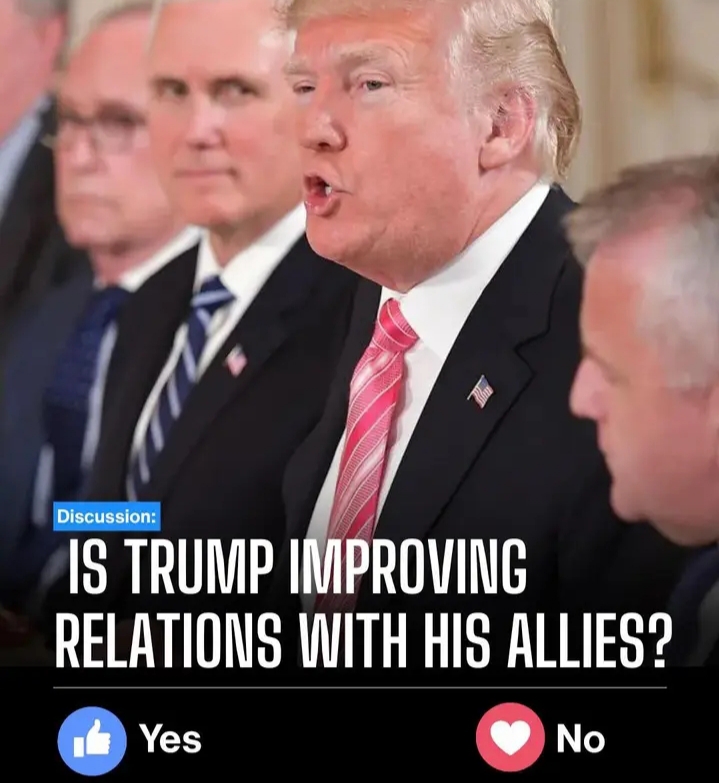
Public discussion about whether Trump is improving relations with U.S. allies often reflects contrasting interpretations of his foreign policy approach. Supporters argue that he has pushed allies to take greater responsibility for their own defence and reduce reliance on U.S. funding, particularly within NATO and other security arrangements. From this view, a more transactional stance can lead to clearer expectations and help rebalance burden-sharing, which some allies privately acknowledge even if publicly cautious.
At the same time critics contend that Trump’s approach has strained traditional alliances through confrontational rhetoric, unpredictable policy shifts, and challenges to long-standing diplomatic norms. They point to moments when his comments about defence commitments or trade relations raised concerns among allied governments about the reliability of U.S. support. For these observers, stable and predictable leadership is foundational to strong alliances, and disruptions to that continuity can undermine trust even if short-term policy outcomes are negotiated.
Another element in this debate involves how diplomatic relations are measured. While formal alliances may remain intact and cooperation continues on shared priorities, public opinion in allied countries has fluctuated in response to messaging and global events. Some analysts emphasize that long-term strategic interests often transcend the style of a single U.S. administration, but that the tone and consistency of engagement do influence diplomatic capital. Because assessments depend on whether one prioritizes transactional negotiations or traditional diplomatic norms, opinions vary on whether Trump is improving relations with U.S. allies.
