
NEWS
Trump-Era Pressure Returns: U.S. Targets Maduro Family and Oil Ships in Major Sanctions Move

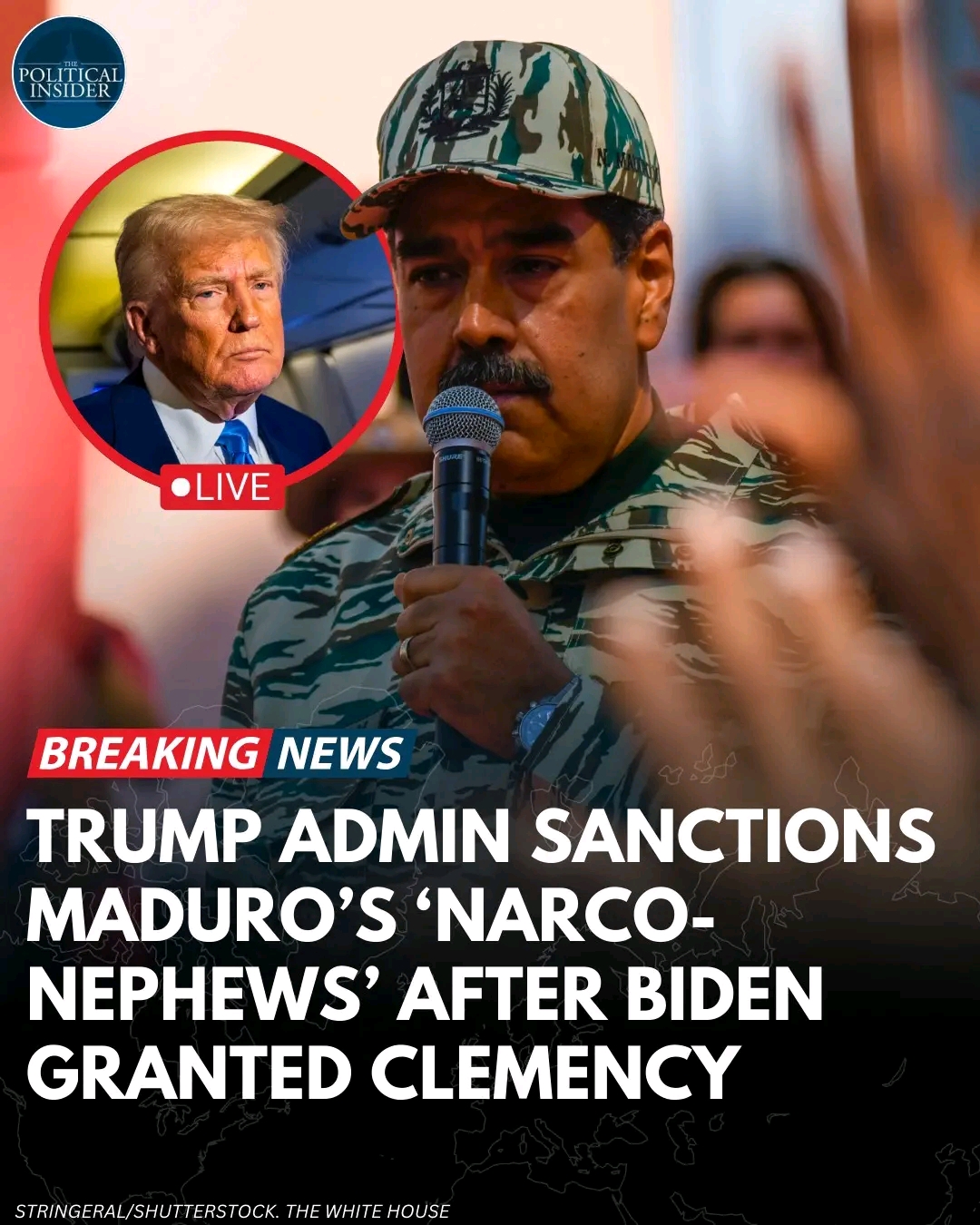
The United States has sharply escalated pressure on Venezuela’s leadership, announcing a sweeping new round of sanctions that strike at the heart of President Nicolás Maduro’s inner circle and the country’s oil sector.
On December 11, 2025, the U.S. Department of the Treasury’s Office of Foreign Assets Control (OFAC) sanctioned three nephews of Venezuela’s first lady, Cilia Flores, along with six shipping companies and vessels accused of helping the Maduro regime evade sanctions and profit from illicit oil exports.
The move signals a clear return to hardline, Trump-era policies toward Caracas—undoing what U.S. officials describe as a failed attempt by the Biden administration to negotiate concessions from Maduro.
—
Who Was Sanctioned—and Why It Matters
Among those targeted are Efrain Antonio Campo Flores and Franqui Francisco Flores de Freitas, infamously known as the “narco-nephews.” The two were arrested in 2015 after attempting to smuggle large quantities of cocaine into the United States. Convicted in 2016, they were later granted clemency by President Joe Biden in 2022 and returned to Venezuela.
According to U.S. officials, that return marked a dangerous turning point.
Treasury authorities now allege that the pair resumed drug-trafficking activities, leveraging their family connections and political protection inside Venezuela. Their inclusion in the new sanctions list underscores Washington’s belief that the regime remains deeply entangled with organized crime.
Also sanctioned is Carlos Erik Malpica Flores, another nephew of Cilia Flores and a former national treasurer of Venezuela, long suspected of playing a key role in the regime’s financial operations.
—
Oil, Ships, and Sanctions Evasion
Beyond individuals, OFAC targeted six shipping companies and vessels accused of secretly transporting Venezuelan oil in violation of international sanctions. Officials say these companies used deceptive maritime practices, including falsifying documents and disabling ship tracking systems, to keep oil flowing and revenue pouring into Maduro’s government.
By hitting the shipping network, the U.S. aims to choke off one of the regime’s last major sources of hard currency—oil exports.
—
A Sharp Rebuke of Biden’s Venezuela Policy
Treasury Secretary Scott Bessent did not mince words, framing the sanctions as a direct correction of past policy.
> “These sanctions undo the Biden administration’s failed attempt to make a deal with Maduro,” Bessent said, signaling a clear shift away from engagement and back toward isolation and enforcement.
The statement reflects growing frustration in Washington over negotiations that critics say gave Maduro breathing room without delivering democratic reforms or meaningful change.
—
Political Reaction: Praise From Republicans
The sanctions were quickly praised by Republican leaders, including Senator Marco Rubio, a longtime critic of the Maduro regime.
> “Thanks to @POTUS’ leadership, the U.S. is holding accountable Maduro’s narco-nephews,” Rubio said, calling the move long overdue.
Supporters argue the action restores U.S. credibility and sends a strong message that drug trafficking, corruption, and sanctions evasion will not be tolerated, regardless of political connections.
—
What Comes Next for Venezuela?
While the Maduro government has yet to issue a formal response, analysts warn the sanctions could further isolate Venezuela economically and politically. At the same time, they reinforce Washington’s stance that pressure—not compromise—is the primary tool for dealing with the regime.
For now, one message is clear:
The United States is once again targeting not just Venezuela’s government, but the family members, oil networks, and shadow operations that keep it afloat.
👉 Stay informed. Share this story and follow for more updates on global sanctions, geopolitics, and U.S. foreign policy.

Wygrała mecz, ale wszyscy mówią o jednym. Sensacja w boksie Igi Świątek! Brak kluczowej osoby

Siedem goli, i ten cios w 88. minucie! Dramat Realu Madryt w hicie Ligi Mistrzów

Przeciek z “Farmy”. Farmer Tygodnia złamał regulamin

Pożegnanie trenera Magiery. “Jacek nie odszedł. On tylko zmienił sektor na trybunach”

Zwrot akcji w relacji ambasadora USA z Czarzastym. “Brawo dla niego”

Niepokojące, co aktualnie dzieje się w PiS. Na antenie Polsat News padły stanowcze słowa

Wielki smutek Ewy Krawczyk po mężu: JA SIĘ MĘCZĘ…

Robot pogonił dziki w Warszawie. Nagranie z Polski podbija internet

Wiadomo jak dziś wygląda córka Agaty Mróz. Liliana właśnie skończyła 18 lat

Kopiczyński nie był jego ojcem, a zrobił dla Olbrychskiego coś niezwykłego. Te słowa zaskakują

Nawrocki uderzył w Tuska i Czarzastego. Zamieścił mocne nagranie
