
NEWS
Trump’s Televised Tirade Targeting Somali Immigrants Draws Widespread Condemnation

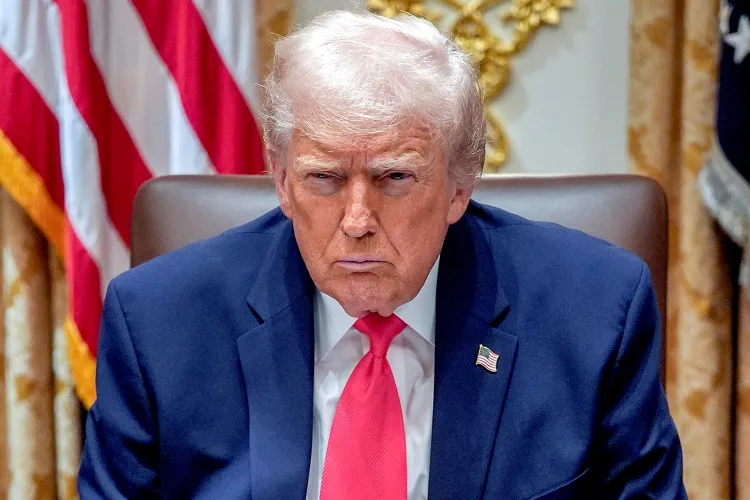
Former U.S. President Donald Trump has once again ignited controversy after he reportedly launched a harsh tirade against Somali immigrants during a televised appearance, referring to them as “garbage” and declaring “their country stinks.” The remarks, which circulated rapidly across social media and news outlets, have drawn sharp reactions from community leaders, political analysts, and human rights advocates.
While Trump has a long history of using aggressive language on immigration issues, his latest comments have intensified concerns about the impact of hostile rhetoric on immigrant communities—particularly those from Africa. Somali-American leaders condemned the statements as “dehumanizing” and “dangerous,” warning that such language can fuel xenophobia and increase the risk of targeted harassment.
Civil rights organizations echoed these concerns, noting that inflammatory language from political figures often leads to real-world consequences. “Words matter,” one advocacy group stated. “Labeling an entire community with derogatory terms is not only irresponsible but risks inspiring hate-driven actions.”
Political analysts also suggest that the tirade may be part of Trump’s broader strategy to galvanize certain segments of his base ahead of upcoming elections. Historically, Trump has leveraged strong rhetoric on immigration to energize supporters who favor tighter border control and stricter national policies.
On the other hand, critics argue that comments like these deepen national divisions and undermine efforts to build inclusive, cohesive communities. Many pointed out that Somali immigrants, including second- and third-generation families, contribute significantly to local economies, culture, and civic life across the United States.
As public backlash continues to grow, several lawmakers—both Democrats and some Republicans—have distanced themselves from Trump’s remarks. Some are calling for formal statements of condemnation, while others have urged a renewed focus on unity over hostility.
For Somali-American families, however, the emotional impact has already been felt. Many expressed fear, exhaustion, and sadness over being thrust back into the political spotlight through rhetoric that paints them as outsiders or threats.
Whether the controversy will shift political momentum remains uncertain, but one thing is clear: Trump’s latest comments have reopened a deep national conversation about immigration, identity, and the power of words from those with influence.

Kwaśniewski wytknął Nawrockiemu spotkanie z Orbanem. “To było nierozsądne”

MSZ Izraela reaguje na skandaliczne zachowanie Berkowicza. Stanowcze oświadczenie

Nagły komunikat ws. malutkiej córki Nawrockiego. Już nie ma wątpliwości

Quiz. 3 tytuły piosenek, jeden wykonawca. 70% myli się przy 6. pytaniu. Dasz radę zdać bezbłędnie?

Prezydent popełnił przestępstwo? Minister uderza w Nawrockiego

Polacy ocenili rząd Donalda Tuska. Sondaż dla Polsat News

Zakpił z Karola Nawrockiego. Fragment występu błyskawicznie obiegł sieć
Zakpił z Karola Nawrockiego. Fragment występu błyskawicznie obiegł sieć

Tusk zabrał głos ws. Zbigniewa Ziobry. W tle postawienie przed Trybunałem Stanu
